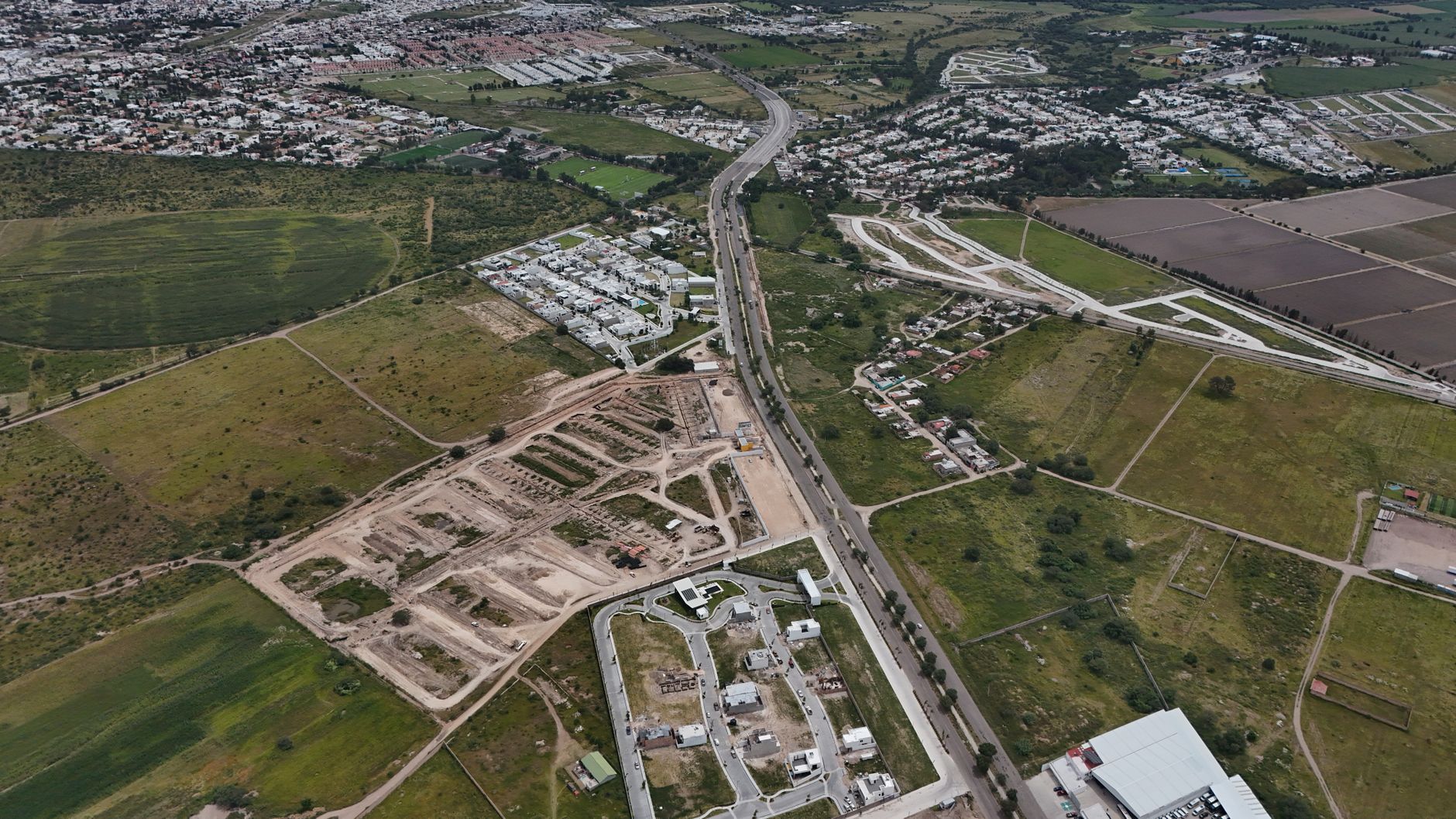
As a general rule, the sale of plain land or a plot is treated as a transfer of an immovable asset and is outside the scope of GST, so buying bare land does not by itself attract GST. What can attract GST is a service: development or construction work, such as building on the plot or development charges bundled into a plotted scheme, where a taxable supply of works or construction service is involved. So a Dholera transaction can be partly outside GST (the land) and partly within it (any development or construction service), depending on how it is structured. Because tax treatment depends on the exact facts and contract structure, confirm your specific case with a qualified tax adviser and keep to these well-established general rules rather than any Dholera-specific GST figure, which is not reliably sourced.
GST is one of the more misunderstood parts of buying a plot, and the confusion usually comes from mixing two different things: buying land, and buying a service connected to that land. The well-established general position is simple to state. The sale of plain land or a plot is generally outside the scope of GST, while development or construction services connected to land can attract GST. This entry explains that distinction as it applies to a Dholera purchase, keeping strictly to general rules and pointing you to a tax adviser for your specific case.
DholeraPulse is an independent, neutral desk. It does not sell plots and is not a tax authority. This is general information on well-established GST principles, not tax advice. Rates, thresholds and structures change and depend on facts, so confirm your exact situation with a qualified professional. No Dholera-specific GST figure is quoted here because none is reliably sourced.
The core principle: land versus service
GST is a tax on the supply of goods and services. Land is neither: it is an immovable asset, and its sale is treated as a transfer of that asset rather than a supply of goods or services. That is why the sale of plain land or a plot generally sits outside GST. A service, by contrast, is exactly what GST is designed to tax. When someone provides development work or construction as a service in connection with land, that service can fall within GST even though the underlying land does not. The whole question, in almost every plot transaction, is which parts of the deal are land and which parts are service.
When a Dholera plot sale is outside GST
If you are buying a bare plot, an unbuilt piece of land, and the transaction is genuinely a transfer of that immovable asset, GST generally does not apply to that sale. This is the common case for someone acquiring land to hold or to build on later. It is important to understand that being outside GST does not mean the purchase is free of government charges. Stamp duty and registration still apply. In Gujarat that means effective stamp duty of 4.9%, made up of a 3.5% basic rate plus a 1.4% surcharge, and a 1% registration fee. GST and stamp duty are separate systems, and a land sale being outside GST says nothing about stamp duty, which you still pay.
| What you are paying for | General GST position | Also note |
|---|---|---|
| Sale of plain land or a bare plot | Generally outside GST | Stamp duty and registration still apply |
| Development charges / plotted-scheme development service | Can attract GST as a service | Depends on contract structure |
| Construction of a building on the plot | Can attract GST as a construction service | Depends on facts and structure |
| Under-construction property (unit) | Construction service element can be within GST | Distinct from a bare-land sale |
| Completed property with completion certificate | Generally treated differently from under-construction | Confirm the specific position |
When development or construction attracts GST
GST enters the picture when the transaction includes a taxable supply of a service. Common situations where that happens include the following, all of which turn on the facts and the way the contract is written.
- Construction on the plot: if you engage a builder to construct on your land, that construction is a service and can attract GST.
- Development charges in a plotted scheme: where a developer charges separately for development works, that development service element can attract GST depending on structure.
- Under-construction property: buying a unit that is still under construction typically involves a construction-service element that can be within GST, unlike a bare-land sale.
- Bundled land-plus-construction deals: where land and construction are packaged together, the treatment depends on how the supply is characterised and split.
The practical takeaway is that the GST outcome follows the substance of what is being supplied. Two deals that both call themselves a plot purchase can be taxed differently if one is a pure land transfer and the other bundles a development or construction service. That is why the contract structure, not the marketing label, decides the GST position, and why a professional review of your specific documents matters.
How this fits your total buying cost
GST is one line in a larger cost picture, and the honest way to compare offers is on the all-in number. For a bare-land purchase, your main statutory costs are stamp duty and registration, with GST generally not applying to the land itself. If your deal includes development charges or construction, add the applicable GST on that service portion. Build the full stack, plot price plus stamp duty plus registration plus any GST on services plus legal and diligence costs, so you are comparing true totals rather than headline plot rates.
- Get the all-in written price: insist on a total, with land and any development or construction service shown separately.
- Identify the service portion: flag any development charges or construction that could attract GST.
- Add stamp duty and registration: 4.9% effective plus 1% in Gujarat, separate from GST.
- Confirm GST treatment: have a tax adviser confirm the position on each element for your specific contract.
- Compare totals, not labels: judge offers on the full stack, not the headline plot rate.
For the statutory charges at purchase, see the stamp duty and registration guide and the plot registration process. To make sure the land itself is sound, use the title verification and N.A. conversion guides. For the money and exit picture, read resale and exit strategy and rental yield reality, and keep everything in one place with the due-diligence checklist.
Frequently asked questions
Is there GST on buying a plot in Dholera?
When does GST apply to a Dholera land transaction?
Does GST replace stamp duty on a plot?
How do I know if my Dholera deal has a GST component?
Is there a specific Dholera GST rate I should use?
Should I factor GST into my total cost comparison?
DholeraPulse. (2026). GST on Dholera Plots: When Land Is Outside GST and When Development Attracts It (2026). Retrieved 22 July 2026, from https://dholerapulse.com/dholera-gst-on-plotsSources & references
- Well-established general GST principles: sale of land/plots as transfer of immovable asset generally outside GST; development and construction services can attract GST (confirm specific rates and treatment with a tax adviser)
- DholeraPulse fact pack, 2026: section 9 (Gujarat effective stamp duty 4.9% = 3.5% + 1.4% surcharge, registration 1%; specific prices not reliably sourced)
- DholeraPulse entries: stamp duty and registration, plot registration process, title verification, N.A. conversion, resale and exit strategy, investment checklist
DholeraPulse labels facts by confidence. Figures marked reported or target come from press or announcements and may change; verify anything time sensitive against the official source before acting.